Together with Tohoku-Grown Hops: Kirin Brewery Sendai Plant Fosters Co-Creation with the Local Community
Community Engagement
Kirin Brewery Company, Limited
Beer
“To the Towns Where Our Colleagues Are” is a series that follows colleagues dedicated to their work at Kirin’s locations around the world. For its first installment, we visited the Kirin Brewery Sendai Plant in Sendai City, Miyagi Prefecture.
At the Sendai Plant, we have spent years building ties with the local community, working with hops from the Tohoku region, including Tono City, Iwate Prefecture. This installment explores Tohoku-grown hops as a local resource and the people who support its production, tracing the relationships the Sendai Plant has built in the region and introducing the colleagues who have helped shape them.
Kirin and Tono: A Journey Spanning Over 60 Years
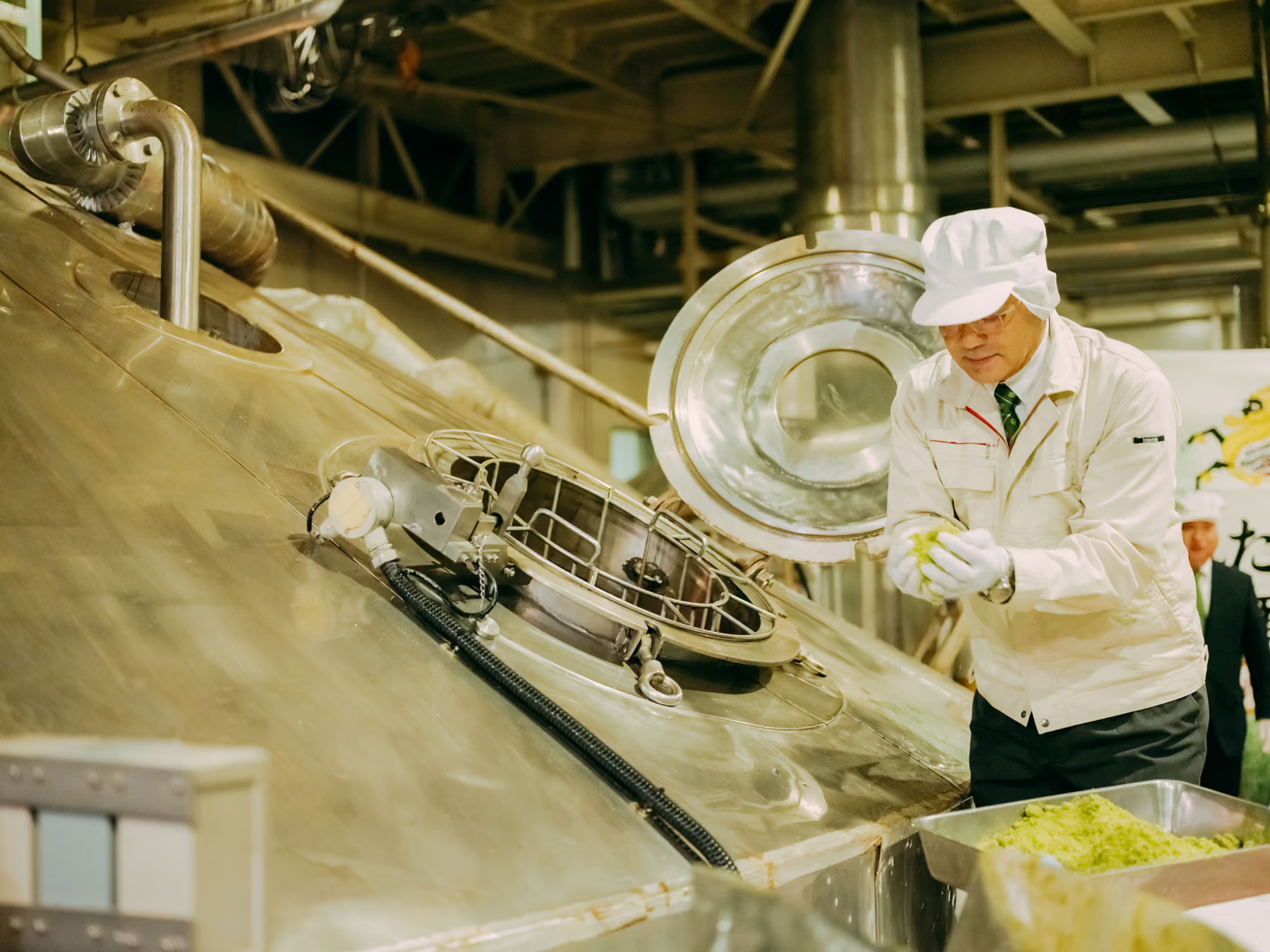
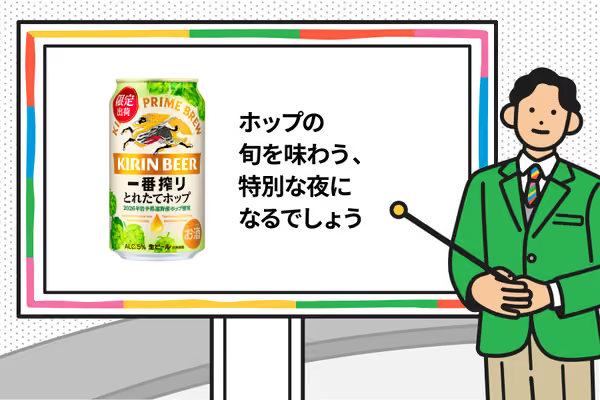
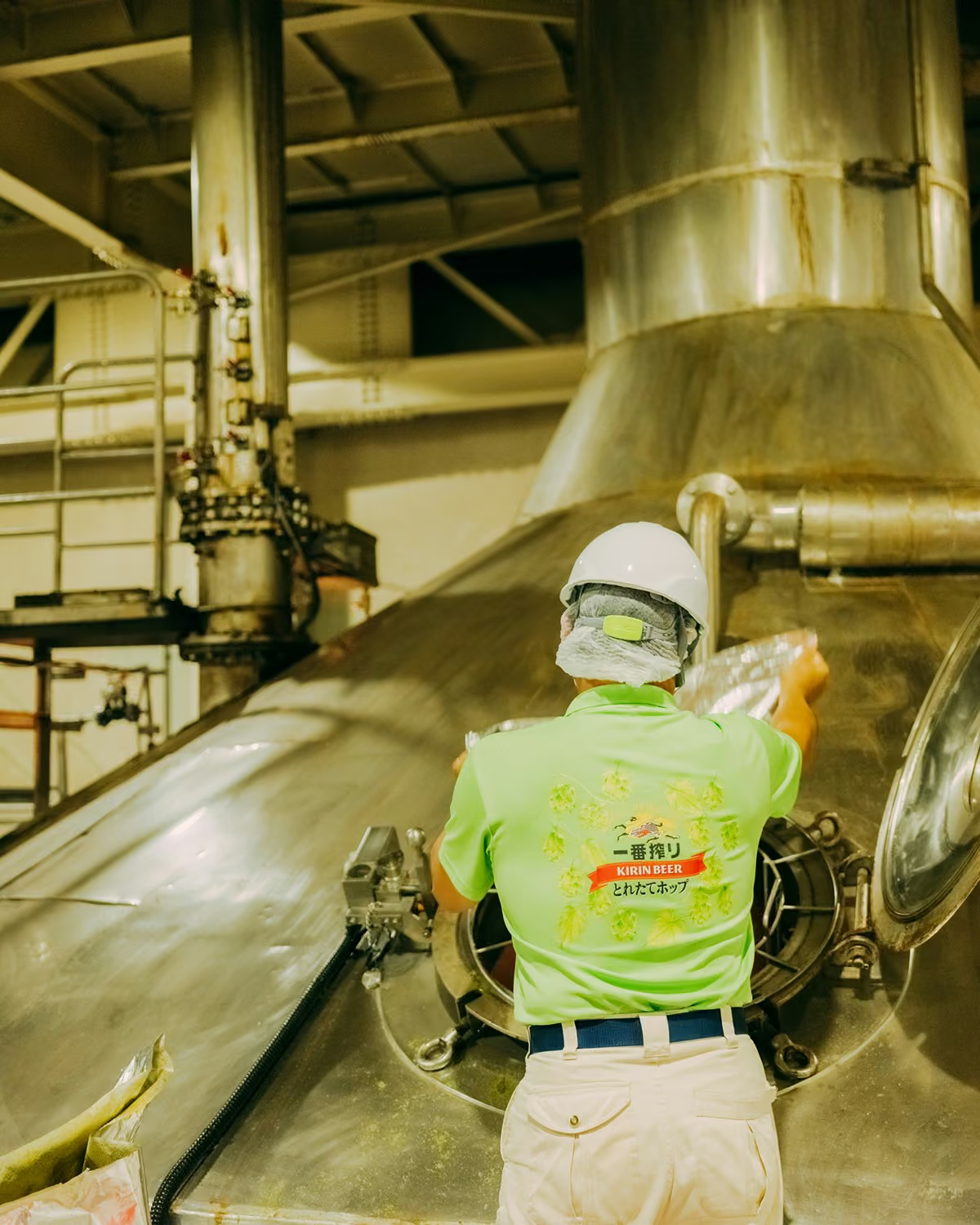
On September 9, 2026, a brewing ceremony for KIRIN ICHIBAN TORETATE HOP was held at the Kirin Brewery Sendai Plant. This beer, affectionately known as Toreichi, uses hops that have just been harvested in Tono City, Iwate Prefecture. The event marks the moment when the hops, imbued with the aroma of that year’s harvest, are added to the brewing kettle. Stakeholders—including the mayor of Tono City and the chairman of the Tono Hop Agricultural Cooperative—as well as members of the press began arriving at the venue one after another.
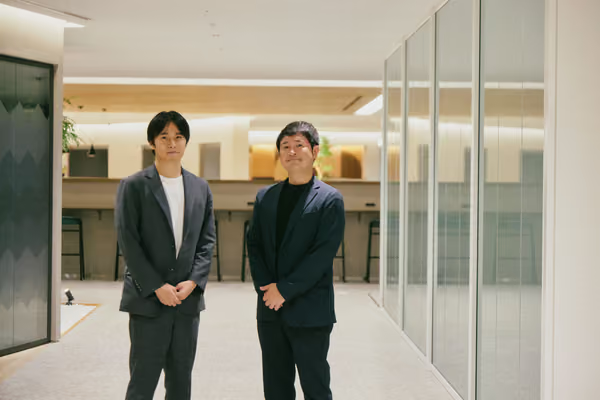
As the ceremony began, Seigo Kubota, who has served as plant manager at the Sendai Plant since this spring, spoke as follows: “Hops are the soul of beer. We place that soul—which the farmers of Tono have nurtured with great care and effort—into the kettle with our own hands. Carrying the hopes of everyone involved, we will brew Toreichi again this year.” (Kubota) Kirin Brewery’s Sendai Plant began operations in Odawara, Sendai City, in 1923 and celebrated its 100th anniversary in 2023. A defining feature of its history is the contract farming arrangement with hop farmers in Tono, which began in 1963. Since then, Kirin Brewery and Tono City have maintained a deep relationship for over 60 years.
However, the road to this point has by no means been smooth.
One challenge was the decline in the number of hop farmers in Tono. Although Tono became Japan’s leading hop-producing region in the 1980s, the number of farmers has been steadily declining due to the influx of imported hops following trade liberalization and a shortage of successors.
The Great East Japan Earthquake that struck on March 11, 2011, was also a major ordeal. The Sendai Plant, located relatively close to the coast, suffered extensive damage—including the collapse of four of its 15 outdoor beer storage tanks—and at one point, the very survival of the brewery was in doubt.
Nevertheless, Kirin Brewery Sendai Plant has continued to brew beer to this day. What has sustained this journey is the bond between Kirin and the local community. Here, we take a closer look at the colleagues who have continued to take on challenges at the Sendai Plant.
KIRIN ICHIBAN TORETATE HOP: Connecting Tohoku-grown Hops to the Future
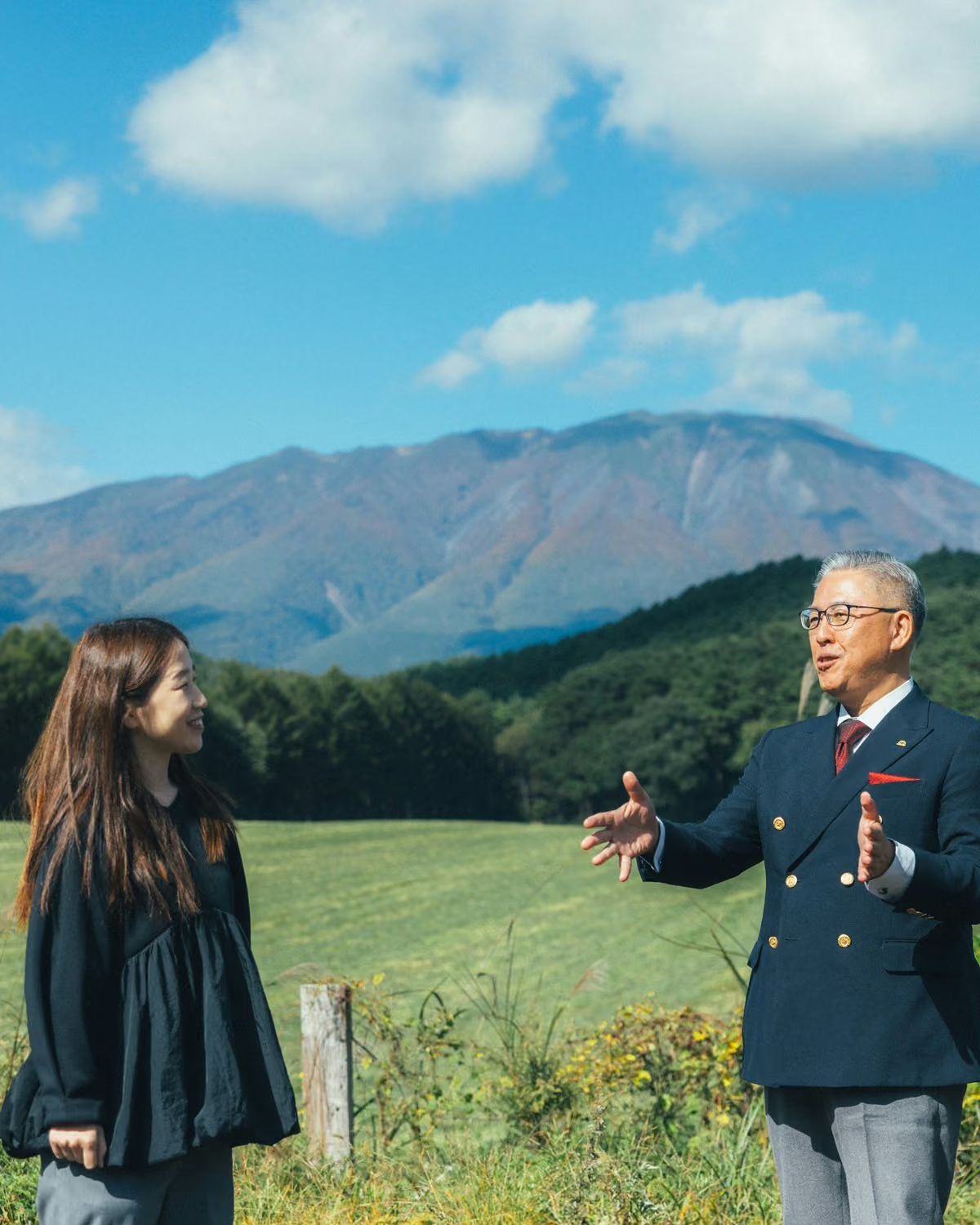
In the fields of Tono, the aging of producers and a shortage of successors are now major challenges. Junpei Abe, chairman of the Tono Hop Agricultural Cooperative, describes the situation on the ground as follows: “Our growers are getting older, and we’re struggling to maintain our cultivation area. With the help of Kirin and members of the Tono City Regional Revitalization Corps, we’re just barely keeping things afloat,” says Mr. Abe.
Naoyuki Takahashi of the Iwate Hop Management Center, who is in charge of coordinating with the hop producers in Tono from the Sendai Plant, says, “It’s important not only to welcome new farmers but also to create an environment where they can make a stable living through hop cultivation.” Since stabilizing hop yields is key to achieving this goal, the center is conducting trials of new fertilizers and Takahashi is making every effort to revitalize the hop production sites in Tono.
Takahashi said that the time he spends with farmers in the hop fields brings him a deep sense of fulfillment. “When I see the hop farmers working in the fields, day in and day out—whether it’s cold or hot—carefully tending to their hops, it inspires me to do my best as well,” said Takahashi.
Takahashi’s goal is to enhance the value of domestically produced hops for the future of hop farmers in Tono and across Japan.
“Domestic beer production relies almost exclusively on imported hops, and globally speaking, the production volume of domestically grown hops is minuscule. However, with the rising popularity of craft beer, there is increasing interest in hops with rich aromas. Tono boasts cultivation techniques honed over many years and a production region that growers have carefully preserved. By further refining and communicating that value, I hope more people will come to appreciate the appeal of Japanese hops, and that they will eventually be recognized and valued overseas as well,” says Takahashi.
Additionally, Nana Katori, the head brewer, crafts KIRIN ICHIBAN TOETATE HOP with the growers’ aspirations close to her heart. The position of head brewer for Toreichi is considered a proving ground for young talent at the Sendai Plant. Katori herself recalls, “I was so happy,” when she heard she would be taking on the role. In August, before the harvest, Katori visited the hop fields herself and spoke directly with the farmers.
“When I hear them say, ‘This is what was really tough this year,’ I feel a strong sense of responsibility to turn the hops—which they’ve taken such care to grow through both hot and rainy days—into truly delicious beer,” says Katori.
In the production of Toreichi which directly expresses the aroma of hops, the hops are flash-frozen immediately after harvest to lock in their seasonal aroma. Unlike the standard production flow, the hops are not transported automatically, so it requires hard physical labor—loading as much as 470 kg of hops into the kettle at a time while working up a sweat. “But that’s exactly why the product is filled with our passion,” says Katori.
The 2026 hop crop benefited from a relatively cool summer and moderate rainfall, resulting in a refreshing, fruity citrus aroma that is characteristic of the IBUKI hop variety grown in Tono. Because the aroma varies from year to year, Toreichi has no shortage of fans eagerly awaiting its release.
As plant manager Kubota notes, “Toreichi has long been beloved by customers in Tohoku” and is deeply rooted in the town of Tono and the Tohoku region. “Behind every glass lies the hard work of the people who actually grow the hops in the fields. I would be very happy if people could appreciate not only the beer itself, but also the appeal of Japanese-grown hops and the connection to the region,” Katori told us.
Nurturing the Seeds of the Future: Career Education for Local Students
While protecting industries like hop cultivation is important for supporting the region’s future, nurturing people is equally important. Based on this philosophy, the Kirin Brewery Sendai Plant launched a career education program in 2019 for undergraduate and graduate students aged 20 or older.
On the day of the brewing ceremony, students watched the process with serious expressions. Originally, this career education program was designed to provide learning opportunities to international students at Tohoku University through factory tours. However, following the COVID-19 pandemic, it has evolved into a six-day internship for students from local universities, Tohoku University and Miyagi University, following the journey of KIRIN ICHIBAN TORETATE HOP from production to delivery to customers.
Yuka Sakuma, who oversees this program, explains the significance of career education as follows.
“In addition to learning about the entire beer-brewing process, participants can observe how people in a range of roles—from research and public relations to sales—collaborate to deliver the product to customers. I also believe that by helping them understand our connections to the local community—such as our ties to Tono—we can not only help them appreciate the richness of beer culture but also give them an opportunity to envision diverse career paths and ways of working,” says Sakuma.
On the second day of the program, the students visited a hop farm in Tono. They toured the farm and learned about the challenges facing Japan's hop industry and efforts to secure its future.
One student remarked, “The facility where hops are dried gets very hot because the windows have to be kept shut. It was good to experience the hardships that only producers can truly understand.” Another student from Iwate Prefecture reflected, “Some farmland is not being used effectively. But, viewed another way, unused land is an asset, and the right use of it can help pave the way for the future.”
Sakuma joined the company in 2025 and is now in her second year as a full-time employee. “Because I’m closer in age to the students, it’s easier for me to convey my own experiences,” she says. At the same time, she admits, “It’s difficult to truly understand what the students are looking for and incorporate that into the program.”
According to a survey of students who participated last year, many said, “I have a vague interest in the food and beverage industry, but it’s hard to picture what I actually want to do or what kind of work would suit me.” So this year, they are considering a program that will help students explore potential career paths. “I’m happiest when I receive genuine feedback directly from students, such as, ‘I really enjoyed this part.’ Seeing the students gain knowledge and grow is what makes my job rewarding,” said Sakuma. We continue to experiment and refine our approach to nurture the future of the region and the hop industry.
Moving Forward Together with the Community
During the brewing ceremony, Plant Manager Kubota spoke as follows.
“When the Sendai Plant resumed operations six months after the earthquake, the first beer we brewed was Toreichi. It’s a beer that holds special meaning for us.” Four months after the unprecedented earthquake, Kirin launched the “Reconstruction Support: Kirin Kizuna Project” as part of its efforts to support the recovery of the Tohoku region. Over the course of three years, the company contributed 6 billion yen to support agriculture and fisheries, while also organizing volunteer activities primarily involving staff from the Sendai Plant. Kirin was also quick to ship Toreichi, a beer that represents the Tohoku region and became a symbol of its recovery. The Sendai Plant has continued to move forward with an eye toward local recovery and the future.
Today, the region faces the challenge of population decline. “No matter which company representative I speak with in Tohoku, population decline is a pressing concern. I feel that this trend is particularly strong in Tohoku compared to the rest of the country,” says Plant Manager Kubota.
Kubota explains that both the “resource” of Tohoku-grown hops and the efforts to nurture “people” through career education are connected by the common theme of regional revitalization. One such initiative is the “TK (Tono × Kirin) Project,” which Tono City and Kirin Brewery have been carrying out since 2007 under the slogan “From the Village of Hops to the Village of Beer.” They have promoted community development centered on beer, including the development and promotion of beers made with Tono-grown hops and local ingredients that pair well with beer, as well as offering tourism activities such as hop field tours. The “Tono Hop Harvest Festival,” first held in 2015 to celebrate beer and Tono’s seasonal ingredients, drew over 17,000 visitors this year. As the area has become better known for its beer, young hop growers and brewers have begun moving there. Last year, Kubota served as deputy plant manager. While his role then focused primarily on achieving the plant’s annual targets, he says that as plant manager, his job is to “look 10 years ahead.” “We have hops now. But what kind of value should we create 10 years from now?” Asking himself this question, he shared his vision: “I want to carry out activities that revitalize the region so that the Sendai Plant is seen as an indispensable part of the community.”
Finally, what kind of city do the Kirin employees consider Sendai to be? When we asked each of them this question, we were surprised to hear remarkably similar answers from everyone. They described it as “a place where people are warm and welcoming.”
While Kubota and Takahashi described the people as “kind,” Sakuma added that it is “a city where people have deep connections.” Katori shared a heartwarming anecdote: “At a local Chinese restaurant, the person sitting next to me once said, ‘I have some leftovers—you should eat this,’ and while I was eating a seafood bowl at the market, a passerby even called out to me, ‘I can’t finish these pickled vegetables—here, take it.’”
With this year’s brewing ceremony successfully concluded, the annual social gathering began. Smiles abound among the group as they enjoy Kirin beer alongside dishes made with ingredients from Tono. A single hop and a single drop of beer bring people together. Behind this are the dedication of the growers, who nurture the hops day in and day out, as well as the passion of the colleagues at the brewery and in the local community involved in beer production.
The team at the Sendai Plant continues to value its connection with the community—not only through brewing beer but also by engaging in hop production and participating in local career education programs. At the heart of these efforts is a desire to bring joy to the lives of local residents through beer.
Beer takes root as part of the local culture, becoming a source of daily enjoyment and pride in the community. The Sendai Plant will continue this work alongside the community for years to come.
Together with Tohoku-Grown Hops: Kirin Brewery Sendai Plant Fosters Co-Creation with the Local Community
Share this article
Link copied
Please do not forward or share information about alcoholic beverages with anyone under the legal drinking age.
Share this article
Link copied
Please do not forward or share information about alcoholic beverages with anyone under the legal drinking age.
To the Towns Where Our Colleagues Are
We visit Kirin Group colleagues working around the world to explore their relationships with local communities and the initiatives, both nurtured in those regions.