


Motion

Language

JaEn
See What's Next for KIRIN.
Society & Sustainability

Bringing Happiness to People, Nature, and Society: What B Corp™ Teaches Us About the Future of Business

  • The Environment
  • Wine
  • Mercian Corporation
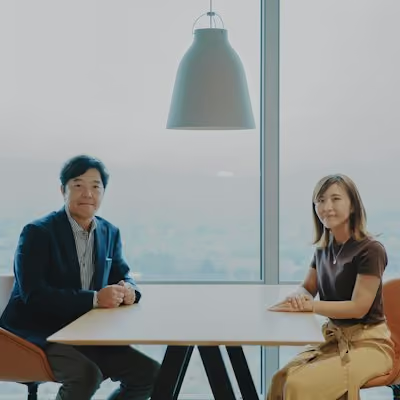
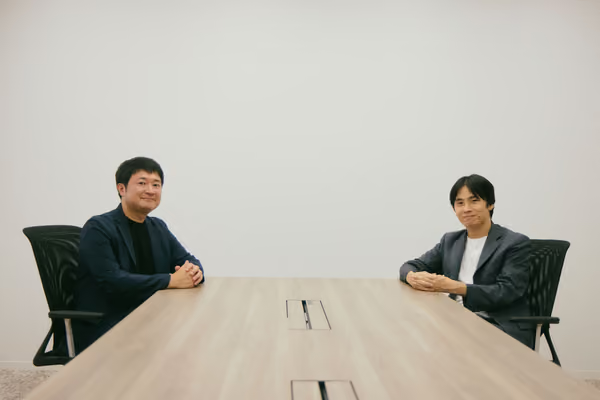
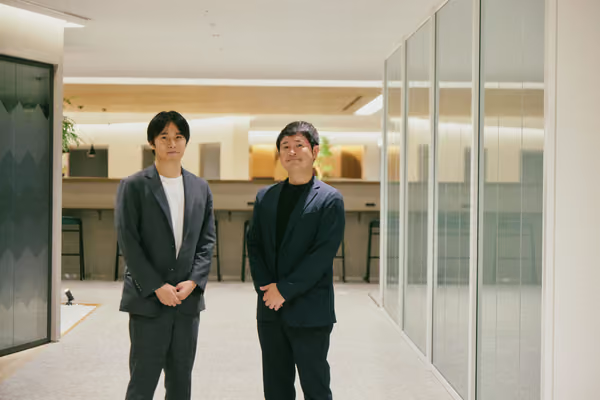
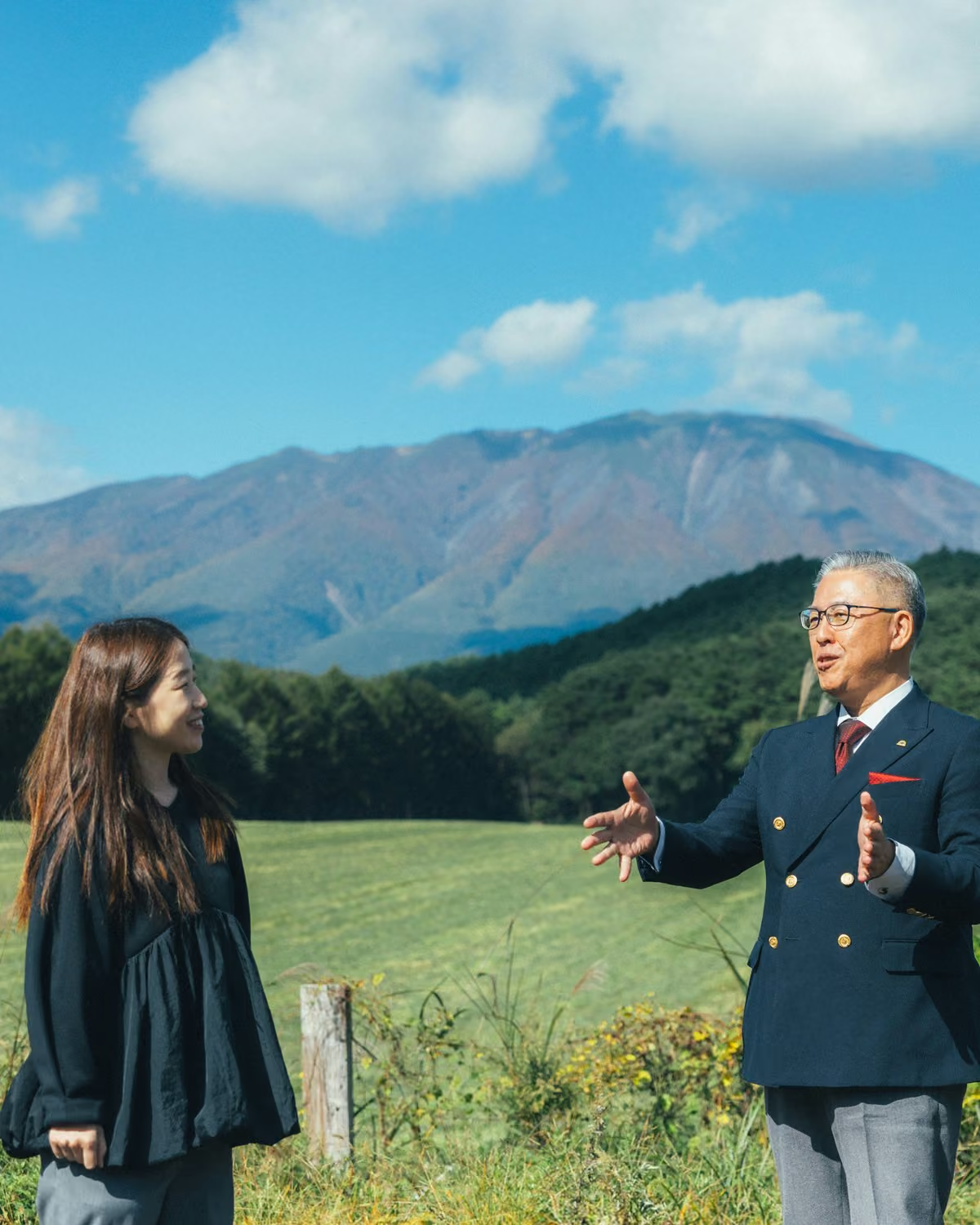
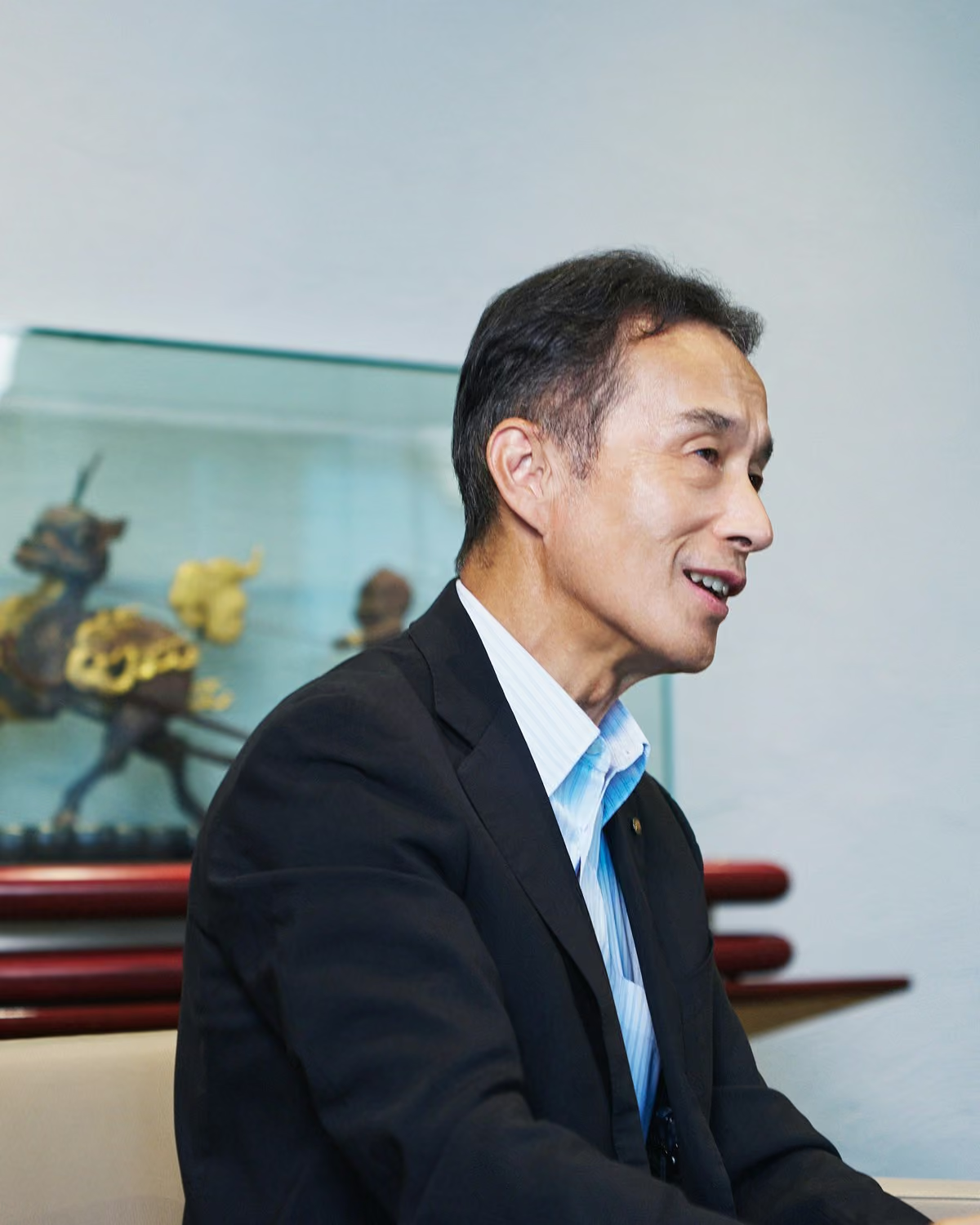
Masamitsu Otsuka, President of Mercian Corporation, and Yuki Mizobuchi, Co-chair, B Market Builder Japan and Founder of OVGO Co., Ltd.

“Kirin’s Homework” is a series that explores the social challenges facing the Kirin Group through conversations with guests from a wide range of fields. The series brings together the roles society expects of the Kirin Group to play and its vision for the future, offering new perspective and insights.

Embracing the corporate purpose “Transforming nature’s bounty into happiness,” Mercian Corporation has charted a new course. The company aims not only for its own profits but also for the happiness of everyone involved. To clearly demonstrate this commitment, the company has been working since last year to obtain certification under B Corp™, a private certification program originating in the United States.

What exactly is the B Corp certification, and why are more and more companies seeking it? Through a conversation with Yuki Mizobuchi, who is driving the adoption of B Corp, Masamitsu Otsuka, President of Mercian, explores the kind of companies society will need in the future. At the end of the conversation, Ms. Mizobuchi left Mercian with some “homework” to tackle going forward.


Yuki Mizobuchi

Co-chair, B Market Builder Japan and Founder of OVGO Co., Ltd.

Born in Tokyo in 1993, she developed an interest in human rights and inequality while studying in London. After working at Mitsui & Co., she traveled alone through Brazil and the United States for two months. Upon returning to Japan, she joined DEAN & DELUCA to learn the fundamentals of the food business. In 2020, together with two of her elementary school classmates and an upperclassman from her university, she founded ovgo Baker, which makes 100% plant-based cookies with a focus on environmental and social responsibility. The company obtained B Corp certification. In 2024, she became Co-chair of the General Incorporated Association B Market Builder Japan.

Masamitsu Otsuka

President, Mercian Corporation

Born in Osaka in December 1969. Joined Kirin Brewery Company, Limited in 1993. Studied abroad at Fudan University in Shanghai in 2005. In 2015, he became a Deputy General Manager in the Corporate Strategy Department at Kirin Holdings. In 2018, he became a Director at China Resources Kirin Beverage Investment Co., Ltd. In 2022, he took up the position of General Manager of the Overseas Business Division at FANCL’s Overseas Business Headquarters. In 2023, he became a Director at FANCL (Shanghai) CORPORATION. He has held his current position since March 2024.

The Kind of Company That Creates Value for Nature, Society, and Everyone Involved

Masamitsu Otsuka and Yuki Mizobuchi chatting by the window

I understand that you obtained B Corp certification for ovgo Baker, the company you founded, and that you now serve as co-representative of B Market Builder Japan. Could you explain what B Corp certification is?

Mizobuchi

B Corp is an international certification program operated by B Lab, a nonprofit organization based in the United States. The “B” stands for “Benefit,” and it is a program in which a third party certifies and supports companies that seek to benefit all stakeholders—including society, the environment, employees, and customers.

ovgo Baker’s plant-based cookies

Why was this program created, and why is it spreading worldwide?

Mizobuchi

It is said to have originated as a reaction against shareholder primacy in the United States. The founder of B Lab once ran a brand that valued stakeholders such as employees and the local community. However, after the brand was sold to a private equity firm, its policies changed, and it went out of business within about six months. In response to this experience, the B Corp certification program was created as a mechanism to demonstrate—both internally and externally—a management approach that considers employees, local communities, the environment, and shareholders alike. This year marks the 20th anniversary of its inception; the number of certified companies has grown from the initial 80 in the U.S. to approximately 11,000 worldwide today.

New standards took effect in March 2026. Under the previous points-based system, companies could obtain certification by accumulating points in any of the environmental, social, or people categories, which led to an imbalance in the areas where companies focused their efforts. Under the new standards, companies must meet all requirements across multiple impact topics, depending on their size and industry.

What kind of company does B Corp consider a “good company”?

Mizobuchi

In a word, “Benefit for All.” It’s a company that’s good for everyone involved—not just shareholders, but employees, customers, business partners, the local community, and the environment. It’s a company that listens to all of these voices and cares for the people behind them as it conducts its business. For example, when it comes to relationships with employees, the company assesses whether each individual’s role and what is expected of them are clear, whether they’re overworked, and whether wages and benefits are adequate. A particularly distinctive aspect is that companies are asked whether they have a system in place for employee voices to reach management. It could be through formal surveys or a system that allows employees to chat with the CEO at any time.

Otsuka

This is different from the ESG standards that investors use to evaluate companies, isn’t it? I was drawn to the fact that it questions the very nature of what it means to be a company.

Could you tell us how you came to launch ovgo Baker?

Mizobuchi

While studying abroad in London, I witnessed issues like human rights and inequality firsthand, which opened my eyes to broader social problems. During an internship at an NGO, I realized I wanted to one day launch a sustainable business that balances social responsibility with profitability. After gaining experience in the legal department of a trading company, I launched a plant-based cookie brand.

Why did you choose plant-based cookies?

Mizobuchi

Baking has always been a hobby of mine. I thought that if I could offer gluten-free cookies that anyone could enjoy—without using animal-based ingredients that have a high environmental impact—I could make a positive impact on society. However, there are many people out there who can make better cookies than I can. That’s precisely why I wanted to clarify “why I’m continuing to do this” and share that message with as many people as possible. As I considered how to do that, I eventually found my answer in B Corp.

Patagonia, a brand I looked up to, had also obtained certification, and I was drawn to the opportunity to join a global community of certified companies to exchange information and connect with potential business partners.

Otsuka

If you follow the framework, you’ll naturally move closer to becoming a “good company.” It served as a roadmap for you.

Yuki Mizobuchi speaking with a smile

Mizobuchi

That’s right. Even though I wanted to build a “good company,” I didn’t know how to go about it, so I used the B Corp standards like a study guide, working through them one by one, thinking, “First, let’s establish our purpose,” or “Let’s measure this environmental metric.” At the time, there was no Japanese chapter, and the entire certification process was in English, so it took two years to get certified.

However, I believe that by laying the foundation in accordance with those standards, we’ve been able to stay true to the values we held dear from the very beginning, even as the company has grown.

Preserving Wine Culture for the Future by Raising Standards Across the Entire Industry

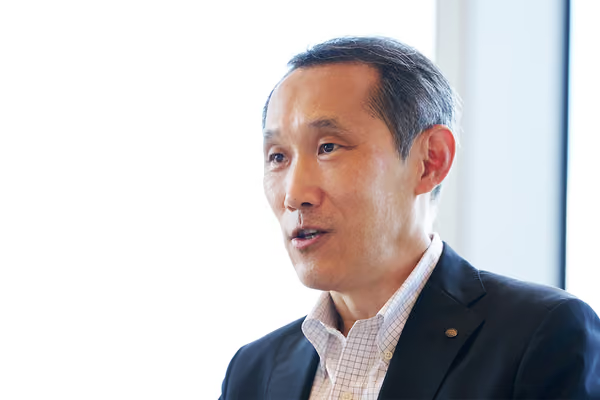
Masamitsu Otsuka listening intently

Why did Mercian decide to pursue B Corp certification?

Otsuka

Back in 2024, when I became president, Mercian’s business performance was lackluster, and our employees had lost confidence. Yet, when I spoke with each of them individually, I could sense their genuine passion and love for our products, especially our wines. I wanted to build a company where they could grow through their work and take pride in what they do.

So, as a starting point for envisioning Mercian’s future, we revisited the history and DNA that had been passed down since our founding. Through repeated dialogue between management and employees, as well as interviews across various departments, we continually asked ourselves, “Why does Mercian exist?” This led us to our corporate purpose: “Transforming nature’s bounty into happiness.” This phrase wasn’t decided by management; rather, it is a shared guiding principle for the future that we discovered through our collective dialogue.

Around that time, I heard about B Corp from the owner of CONCHA Y TORO, a Chilean winery that holds B Corp certification. The employees there understood how their work contributed to society and took pride in what they did. We’ve been doing business with them for a long time, but after hearing their story, I thought, “This is exactly what Mercian should strive to be!” and we began taking steps toward obtaining certification.

Wine bottles bearing the B Corp logo
The B Corp certification logo printed on the wine bottle labels

Mizobuchi

Why were you able to take what you experienced at that overseas winery and apply it directly to your own company? I imagine many business leaders, even if they think an idea is good, assume it wouldn’t work for their own company.

Otsuka

That’s true—it might have been difficult for other companies in the Kirin Group. But I felt that Mercian could do it. In fact, as soon as we got started, I was convinced it was a perfect fit.

Mizobuchi

Why do you think that is?

Otsuka

First of all, our timeframes align. Wine production happens only once a year. It takes at least five years from planting the grapes to producing wine. Even when talking with the owner of CONCHA Y TORO, there’s no sense of urgency—no pressure to rush on to "what's next". They carry the weight of history and tradition and think about things over the long term. I felt that the timeframe B Corp operates within is quite similar.

Mizobuchi

It’s certainly different from management where you’re expected to deliver results every quarter.

Otsuka

Another aspect is the sense of community. Mercian is the only company within the Kirin Group that engages in agriculture. Perhaps because we work in harmony with nature’s rhythms, whenever there’s a problem, everyone gathers, talks it over, and then goes back to work. It’s idyllic, you might say—there’s a slow, steady rhythm to it.

In the world of wine, there’s a term called “terroir.” I believe it refers not only to the soil and climate but also to the winemaker’s spirit. We engage in dialogue with nature as we consider how to make the most of each year’s bounty. I saw parallels here with the B Corp philosophy of managing the business through dialogue with all stakeholders.

In fact, even before we set out to obtain B Corp certification, we had been practicing environmentally sustainable agriculture at our own vineyards. We select grape varieties suited to the soil and weather conditions, and help restore biodiversity through “cover cropping,” in which grapes are grown alongside wild grasses.

Furthermore, as part of the “Japanese Wine Support Project,Open in a new window or tab” we leverage the expertise we’ve cultivated over many years to provide tailored support—such as technical assistance with wine grape cultivation, winemaking, and production—to address the specific challenges faced by each winery.

Consulting at the R Paysan Winery vineyard as part of the “Japanese Wine Support Project”

Mizobuchi

This is one example of the “collective action” that B Corp aims to achieve. Do you have any reservations about supporting other companies in the same industry?

Otsuka

People in the wine industry are up against nature, so there isn’t really a "we have to beat the other companies" mentality. The Japanese wine industry has always had a culture of sharing knowledge. At the Japan Wine Competition, award-winning wineries openly discuss everything—from winemaking methods to cultivation techniques.

Mizobuchi

So the award winners actually reveal their trade secrets?

Otsuka

Exactly. Besides, wine drinkers don’t just stick to a single brand. It’s like traveling—they enjoy pairing wine with the local cuisine and experiencing the terroir. So, it’s not an industry where one company can monopolize the market. If the entire industry thrives, it can lead to more sustainable businesses, and if there are more high-quality producers and greater variety, customers can enjoy a richer wine experience.

So you were already pursuing initiatives that aligned with the B Corp's philosophy. What was the reaction within the company when you announced your plans to get certified?

Otsuka

Since most employees hadn't even heard of the certification program , some asked, “What are we doing this for?” But once they understood the details, many of them really embraced the idea.

Mizobuchi

That’s the first hurdle, isn’t it? But since it’s a program that benefits employees as well, once they see the value in it, they’ll surely get on board.
The very process of working toward B Corp certification is what transforms a company

Masamitsu Otsuka and Yuki Mizobuchi in conversation with serious expressions

As you’ve been implementing reforms to achieve B Corp certification, have any challenges or insights emerged?

Otsuka

When we evaluated our past initiatives against the B Corp standards, we saw not only our strengths but also the challenges we need to address next.

Mizobuchi

The fact that we’re able to identify these challenges is an achievement in itself. Since B Corp requires periodic recertification even after initial certification, it’s not something we achieve once and then forget about. Having a standard that allows us to revisit the challenges we’ve identified gives us the strength to sustain our efforts over the long term.

Otsuka

The activities of other certified companies have also served as excellent examples. What particularly impressed me at a winery in Chile and at a store for the B Corp-certified outdoor brand Patagonia was that the staff were able to explain their initiatives in their own words.

Mizobuchi

I think it’s precisely because the company’s purpose is aligned with the employees’ perspectives that they’re able to convey it effectively to customers.

Otsuka

The younger generation pays close attention to a company’s values, whether they’re choosing products or deciding where to work. In fact, a young person who had been very interested in B Corps as a student joined Mercian because they wanted to “work in a field related to nature and agriculture.” Now, they’ve told me they want to get involved with B Corps as they gain experience in marketing.

Are more companies in Japan obtaining B Corp certification?

Yuki Mizobuchi listening with a smile

Mizobuchi

In 2023, there were about 40 companies, but that number has now grown to around 100.

Otsuka

We’re not aiming for certification as an end in itself. We feel there’s value in the very act of working to meet the standards. Rather than just talking about the positive aspects of our business, I think being able to acknowledge that there are also difficult times actually builds trust.
B Corp certification isn’t an all-or-nothing proposition; it allows people to assess the process itself. I think that’s another positive aspect.

Mizobuchi

Seeing how Mercian operates, I feel that a nature-positive mindset might spread throughout the entire Kirin Group and the wine industry as a whole.

Masamitsu Otsuka speaking with a serious expression

Otsuka

That would be wonderful. We’ll be sharing our techniques and insights with grape growers, winemakers, and those who will be making wine in the future, but rather than imposing our way of thinking, we hope they’ll resonate with our approach.

What the Future Needs: Companies That Enrich People, Nature, and Society

Are social and environmental initiatives compatible with profitability?

Mizobuchi

People tend to think that companies doing good don’t make money or aren’t focused on finances, but the opposite is true. I believe B Corp provides a framework for using money wisely as a long-term investment. If you start from scratch, your initiatives can easily become scattered, but with B Corp, you can course-correct by asking, “Is this initiative truly leading to our desired outcomes?”

Otsuka

Of course, short-term profits are necessary too. But it’s not about making a quick profit; it’s about building a company that people will continue to love over the long term. Even if we invest in wine this year, we won’t see a profit next year. Yet if we don’t invest, the next product won’t be created. Moreover, since it relies on agricultural products, things don’t always go as planned. Even so, we come to terms with it in our own way and persevere. I feel that this attitude is closely connected to how we treat people. Rather than blaming employees when things don’t go well, we thoroughly consider their perspective. Isn’t the mindset behind pursuing B Corp certification the same?


Masamitsu Otsuka and Yuki Mizobuchi discussing their vision

Mizobuchi

After hearing you speak, I felt that Mercian is aligned with B Corp at its core. B Corp has a “Declaration of Interdependence,” in which certified companies pledge to cooperate with one another for mutual growth. Initiatives like the “Japanese Wine Support Project” and the exchange of insights with business partners truly embody this declaration. I was deeply impressed by how naturally you put this into practice.

Otsuka

It's about thinking not only about our company’s profits but also about nature and society. If more companies adopt this mindset, both society and people’s lives will be enriched. I think that’s a truly wonderful thing.

Mizobuchi

I completely agree. In some countries, such as the UK, and in certain industries, we’re entering a phase where companies that don’t embrace this mindset are finding it increasingly difficult to be chosen.
It’s often said that “every purchase is a vote,” and the B Corp logo serves as a guide when deciding where to cast that vote. Companies bearing the logo maintain absolute transparency—they don’t lie to consumers or employees—and are committed to addressing environmental and human rights issues. This means you can choose them with some confidence without having to research every detail.

Furthermore, B Corp’s call to “be a good company” isn’t just about the company itself. Being a good place to work for employees is also part of the criteria. As the number of certified companies grows, so too will the number of products you can choose with confidence and workplaces where people feel fulfilled. I’d be delighted if people looked out for the logo not only when shopping, but also when considering where to work or change jobs.

Otsuka

The other day, I spotted the logo at a store that just opened in Karuizawa, and I couldn’t help but ask the staff about it. They explained clearly how they select their products, and I thought that was great. As a consumer, experiences like that are really fun, aren’t they?
We listened to you today, hoping that we, too, could be a company that provides such opportunities. Finally, could you to give us at Mercian a bit of “homework”?

Mizobuchi

What struck me most about speaking with you today was your down-to-earth, authentic approach—even as the president. I felt that this represents the kind of leadership we need for the future. When top leadership embodies this approach, every employee will feel free to be open about their strengths and weaknesses, and by combining their diverse talents, they’ll be able to perform at their best. Please continue to foster that culture throughout the company. I believe that will naturally lead to earning the B Corp certification.

Otsuka

Thank you. Rather than leading by saying, “Follow me,” it’s about standing alongside everyone else while ultimately taking responsibility. Talking with you today has convinced me that this attitude is what truly strengthens the company.

Lately, even people outside the company have been telling us, “Mercian has become a more cheerful place to work.” Our next goal is to become a company where, when asked, “What’s behind that brighter atmosphere?” every single employee can explain it in their own words. “Transforming nature’s bounty into happiness.” We want to share this message not only within the company but also with our business partners, customers, and society at large.

Credits
Photographer
Kousuke Matsuki
Interview & Text
Asako Inoue
Editor
Ai Hanazawa

Share this article

Please do not forward or share information about alcoholic beverages with anyone under the legal drinking age.

Kirin’s Homework

The Kirin Group faces various challenges that it must address as society evolves. Together with experts in relevant fields, we explore the role only Kirin can play.

See What's Next for KIRIN.

KIRIN Group's official media platformsharing the KIRIN Group's challenges, technologies, and people.Vitalize the world through innovation

Please verify your age to view alcohol-related content. Would you like to proceed?

This site contains information about alcoholic beverages.

Year

Please also enter your month and day of birth

Month
Day

Please do not check this box if you share this device with anyone under the legal drinking age.

Please provide your country of residence.